Overview
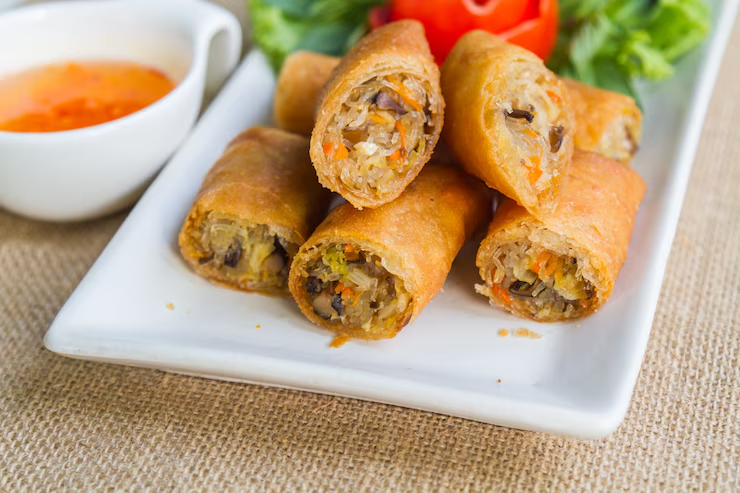
With their delicious blend of crispy outsides and tasty vegetable fillings, veggie spring rolls are a popular snack that cuts across ethnic borders. These rolls have become a mainstay in many homes and restaurants, whether they are served as an appetiser, tea-time snack, or party starter. From learning about their history to perfecting the methods for preparation and cooking, this in-depth guide explores the art of creating the ideal vegetable spring rolls.
How Spring Rolls Got Their Start
The Eastern Jin dynasty (317–420 AD) in China is when spring rolls, or “chūn juƎn” in Mandarin, first appeared. They were traditionally eaten to welcome the veggies of the new season during the Spring Festival. The idea gradually expanded throughout Asia, with each region contributing its own distinctive spin. Spring rolls, which are frequently stuffed with a variety of veggies and served with tart chutneys, have been welcomed and modified in India to become a well-liked street food and restaurant dish.
Recognising the Elements
There are two primary ingredients in a traditional vegetable spring roll:
The wrapper is thin and crisp when fried and is traditionally manufactured with all-purpose flour. For a lighter texture, rice paper is also used in some recipes.
The filling is a blend of julienned or finely chopped veggies that have been sautéed with sauces and spices to add flavour.
Choosing the Proper Vegetables
The spring rolls’ flavour and texture are greatly influenced by the vegetables used. Vegetables that are frequently utilised include:
Cabbage: Provides volume and crunch.
Carrots: Offer colour and sweetness.
Bell peppers, or capsicum, provide bright colours and a hint of bitterness.
Add a hint of onion flavour using spring onions.
Green beans: Give it a crunchy feel.
Mushrooms: Add a depth of umami.
For easier rolling and even cooking, it is crucial to make sure the vegetables are finely chopped or shredded.
Getting the Filling Ready
To get the filling ready:
Sauté Aromatics: In a skillet over hot oil, sauté the ginger, green chillies, and finely chopped garlic until fragrant.
Add the chopped vegetables, beginning with the ones that require more time to simmer. To keep them crunchy, stir-fry them over high heat.
Season with pepper, vinegar, and soy sauce to taste. The vegetables should be crisp-tender after a few more minutes of cooking.
Cool the Mixture: To avoid soggy wrappers, let the filling cool fully before using.
Creating the Cover
Making your own wrappers at home guarantees freshness and gives you control over the materials, even though store-bought ones are convenient. To get the wrapper ready:
Make the mixture: Combine water and all-purpose flour to make a smooth mixture that resembles pancake batter.
Cook the Wrapper: Preheat a non-stick skillet and give it a quick oiling. Swirl a tiny bit of batter onto the pan to create a thin coating. Cook until the edges start to rise, then turn and quickly cook the other side.
Cool: Take off the cover and place it on a level surface to cool.
Putting the Spring Rolls Together
Place the Wrapper: On a spotless surface, lay a wrapper flat.
To add filling, put a dollop of the chilled vegetable mixture next to one of the wrapper’s edges.
Roll: Using a dab of water to seal the edge, fold the edges inside and roll tightly.
Repeat: Keep doing this until all of the filling and wrappers have been used.
Methods of Cooking
There are several ways to prepare vegetarian spring rolls:
Deep Frying: Preheat a deep skillet with oil, then cook the rolls until they are golden brown. This technique produces a clean exterior.
Preheat the oven to 200°C (392°F) before baking. Oil the rolls, then bake them for 15 to 20 minutes, rotating them halfway through.
To fry food in the air fryer, preheat it to 180°C (356°F). Put the rolls in the basket and cook, shaking halfway through, for 10 to 12 minutes.
Serving Recommendations
Serve hot vegetable spring rolls with dipping sauces like:
Sweet chilli sauce is a spicy, tangy dip.
One traditional complement is tomato ketchup.
Tamarind Chutney: Offers a tart and sweet taste.
Peanut sauce: Provides a nutty flavour and a creamy texture.
Information on Nutrition
When baked or air-fried, vegetable spring rolls are a reasonably nutritious snack choice. The vegetables provide them a lot of vitamins and fibre. However, because of the absorption of oil, deep-frying raises the calorie content. Try baking or air-frying them with less oil to make them healthy.
How to Make the Best Veg Spring Rolls
Avoid Overfilling: If you overfill, the rolls may burst during cooking or the wrappers may tear.
Seal Correctly: To stop the contents from leaking out, make sure the edges are securely sealed.
Cool the Filling: To prevent soggy wrappers, always cool the filling before wrapping.
Use Fresh Ingredients: The taste and texture of the rolls are improved by using fresh vegetables.
Different Options to Consider
Cheese Spring Rolls: To achieve a creamy texture, include grated cheese into the filling.
Paneer Spring Rolls: For extra protein, add crumbled paneer.
Add more green chillies or chilli sauce to the stuffing for spicy spring rolls.
Mixed Protein Spring Rolls: For a substantial filling, mix vegetables with soy or tofu protein.
Cultural Importance
Spring rolls are a representation of prosperity and fortune in many Asian cultures. They are customarily consumed in China to welcome a prosperous year during the Lunar New Year. Spring rolls, which are frequently served with rice noodles and fresh herbs, are a mainstay at festive occasions in Vietnam.
In conclusion
More than just a snack, vegetable spring rolls are a showcase for inventiveness and a celebration of Asia’s diverse culinary customs. You can enjoy a tasty and adaptable cuisine that can be made to fit any palette if you can perfect the technique of creating these rolls. Vegetable spring rolls provide a delicious culinary experience that makes every bite joyful, regardless of your preference for crispy or baked, spicy or mild.