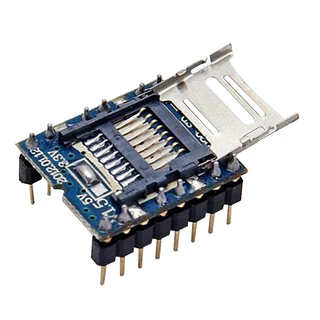
There’s something oddly satisfying about opening up a box of wires, chips, and tiny screws, and building something with your own hands. Not an IKEA bookshelf — we’re talking about stuff that hums, flashes, and responds. If you’ve ever spent an afternoon soldering a circuit board just to see an LED light up, you get it. It’s not just about building things. It’s about understanding them. Feeling them click together. The sense of control, of creation, of turning raw components into something real.
Lately, this DIY fever has found a cozy home in the world of electronics — and even more intriguingly, in personal security systems. Home automation and security used to feel like high-end, unreachable tech. Something for James Bond movies or super-rich suburban mansions. But thanks to the explosion of open-source tools, component kits, and online tutorials, even beginners can now tinker their way into setting up surprisingly robust security gadgets.
Let’s walk through this exciting space where curiosity meets function — and where a small project might just turn into your next obsession.
The Allure of Building From Scratch
There’s a unique kind of joy in building your own electronic device — and not just because it works (hopefully). It’s about the journey. One moment you’re holding a pile of resistors and sensors, and the next, you’ve got a motion detector on your wall or a mini speaker pumping out music.
And sure, you could buy most of these things pre-assembled off Amazon. But it’s like comparing a microwave meal to a home-cooked curry. The satisfaction just isn’t the same. When you’re building it, you know what’s inside. You know how to fix it. And if something goes wrong, you’re not stuck waiting on tech support — you are the tech support.
This desire to create from scratch is what’s fueling the surge in DIY kits. From tiny radios to smart door alarms, there’s a whole universe waiting for those willing to get their hands a little burned from a soldering iron.
Home Security: The DIY Way
Let’s face it — home security is a touchy subject. You want to feel safe, but traditional systems can be expensive and sometimes invasive. Cameras in every room? Subscriptions? Monthly fees? No thanks.
That’s where DIY security systems come in. No contracts. No installation teams. Just you, a bunch of sensors, and maybe a laser or two (because why not?).
Enter the laser alarm security system. It sounds straight out of a spy movie, but it’s actually pretty straightforward — and surprisingly affordable. You set up laser transmitters and receivers across entry points in your home, and if the beam is broken, an alarm goes off. Simple, elegant, and kind of badass.
These systems are especially popular among hobbyists who like to build and tweak. You can wire it to a buzzer, an SMS alert, or even integrate it with a Raspberry Pi to send real-time notifications. And because you’re building it yourself, you can place it anywhere — not just where some generic kit tells you it should go.
The Unofficial Starter Kit
Now, if you’re just starting out, don’t panic. You don’t need to be an electrical engineer or have a garage full of tools. Here’s a basic starter list to get your fingers moving and your brain buzzing:
- Breadboard and jumper wires – Like the sketchpad of electronics.
- Arduino or Raspberry Pi – Your programmable brain.
- LEDs and resistors – Great for learning current and voltage basics.
- Sensors (motion, light, heat) – Start making things respond.
- Basic buzzer or speaker – Because a good alarm has to sound like an alarm.
- Multimeter – Your eyes in the electric world.
Start with small things. Maybe a light that turns on when you walk by. Or a door sensor that buzzes when someone enters. Once you’re comfortable, you can move on to more complex setups.
The Role of Sound: Amplifiers in DIY Projects
Sound is a crucial element in many DIY builds, especially those involving alerts, notifications, or communication. And this is where something called an amplifier kit comes in handy.
An amplifier kit isn’t just for music nerds or audio engineers. If you’re building a small speaker system, an intercom, or even a siren-based alarm, you’ll need one. These kits come with everything you need to boost an audio signal — giving your projects the voice they deserve.
Let’s say you’re rigging a motion-sensing speaker that warns people to “step away from the door” in your best robotic impression. Without an amp, it’s just going to whisper like a broken Walkman. With an amplifier, it’ll be loud, clear, and unmistakably awesome.
The kits vary, of course — from super-simple plug-and-play modules to solder-yourself circuits that teach you the ins and outs of audio processing. And again, the fun part is not just getting sound — it’s understanding why it works.
Learning Through Trial (and Lots of Error)
Let’s be honest here: the learning curve is real. You’ll fry a few components. You’ll misplace a wire. You’ll spend an hour wondering why your circuit isn’t working, only to realize you didn’t connect the ground. But that’s all part of the magic.
Failure is baked into the DIY experience. In fact, the more you mess up, the more you learn. And because the stakes are low (you’re usually out a few bucks for a resistor or two), it becomes an oddly liberating space to experiment.
Plus, the online community is massive. Reddit threads, YouTube tutorials, Discord channels, and even GitHub projects offer guidance, code, fixes, and endless inspiration. So while you’re building solo, you’re never really alone.
Personal Projects, Real-World Value
There’s something deeply personal about a DIY device. Maybe it’s because you spent five hours tweaking it. Or maybe it’s because no one else in the world has that exact same setup. But beyond pride, these projects offer real-world benefits.
Like building a baby monitor that texts you when it hears noise — and doesn’t record everything to the cloud. Or setting up a laser grid across your balcony, not to catch intruders, but to keep your cat from sneaking out. Or a speaker box that plays your grandma’s voice when the door opens (weird, maybe, but oddly comforting).
It’s not about replacing professional systems. It’s about customization. You can tailor every element — from what triggers the alarm to how it reacts, and even how it logs events.
The Sustainability Angle
Here’s something you might not think about when diving into DIY electronics: sustainability. By building your own systems, you’re often reusing, repurposing, or upcycling components that might otherwise end up in landfills.
Take old TVs, radios, or speakers — their circuit boards, transformers, or casings can be salvaged. Even broken toys can offer gears, motors, or sound chips that can be reborn in new creations.
There’s also a mindset shift. When you build things, you respect them more. You repair instead of replacing. You tweak instead of trashing. That slow-burn relationship with your tech fosters a more sustainable approach to electronics overall.
The Future: Blurring the Line Between Hobby and Innovation
Today, it’s just you and a breadboard. Tomorrow? Who knows. Some of the biggest tech breakthroughs began as weekend projects. Look at early drone enthusiasts or garage-based inventors who developed early versions of home automation tools.
The accessibility of modern microcontrollers, sensors, and kits means anyone — seriously, anyone — can become a low-key innovator. And that’s exciting. Because innovation doesn’t always come from whiteboards and VC funding. Sometimes it comes from a small desk, a cup of coffee, and a wild idea at 2 AM.
Final Thoughts: Let Curiosity Lead
If you’ve made it this far, chances are you’ve already got that itch — the one that makes you wonder how things work, or how you could build something better. Scratch it.
Buy the kit. Burn your fingertips (safely). Watch the tutorials. Ask dumb questions. Celebrate small wins. And remember, in a world full of smart tech, the smartest move might be making it yourself.
Whether it’s rigging up a laser alarm security system for your garage or wiring an old speaker using an amplifier kit, it’s not just about what you build. It’s about the confidence, understanding, and maybe even joy that you build in the process.
So go ahead. Crack open that box of components. There’s magic waiting inside.