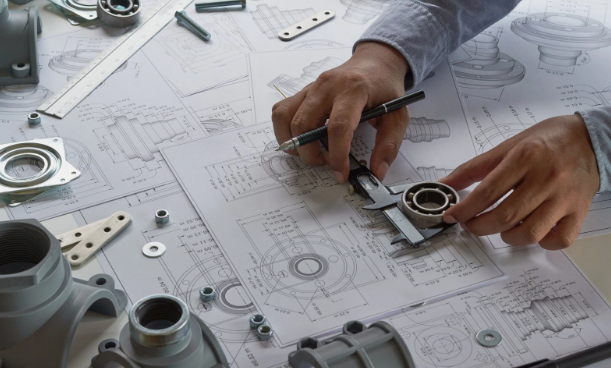
In today’s competitive business world, turning ideas into actual products is a critical step for any company. One of the most important parts of this process is prototype manufacturing. It acts as a bridge between a company’s concept and the final product that reaches customers. Understanding the role of prototype manufacturing can help businesses bring their ideas to market more efficiently and successfully.
What is Prototype Manufacturing?
Prototype manufacturing refers to the process of creating an early sample or model of a product before full-scale production begins. This prototype is a physical representation of the idea, allowing companies to test the design, functionality, and usability. Unlike the final product, prototypes are often made in smaller quantities and can be modified easily based on feedback.
The purpose of prototype manufacturing is to explore how the idea will work in the real world and to identify any potential problems early. This step is essential for reducing risks and avoiding costly mistakes in later stages.
Why Prototype Manufacturing is Important for Companies
Prototype manufacturing plays a vital role in the product development cycle. First, it allows companies to evaluate the design and make necessary changes before committing to mass production. This evaluation helps in improving the product’s quality and performance.
Second, prototypes serve as a communication tool between different teams, such as design, engineering, marketing, and management. When everyone can see and test a physical model, it becomes easier to understand the product’s strengths and weaknesses. This collaboration leads to better decision-making and innovation.
Furthermore, prototype manufacturing helps companies attract investors and customers. A working prototype can demonstrate the feasibility of an idea, making it easier to gain support and funding. It also allows potential customers to experience the product early, which can create excitement and demand.
How Prototype Manufacturing Accelerates Market Entry
Bringing a new product to market quickly can be a major advantage. Prototype manufacturing supports faster development by identifying design flaws early and allowing rapid iteration. When companies spot issues in the prototype stage, they can fix them without causing delays in production.
Moreover, prototype manufacturing can shorten the time between idea conception and market launch. By testing and refining prototypes, companies reduce uncertainty and ensure the product meets market expectations. This efficient process helps businesses stay competitive and respond to customer needs more effectively.
Types of Prototype Manufacturing
There are several methods used in prototype manufacturing depending on the product’s complexity and the company’s needs. Common techniques include 3D printing, CNC machining, and injection molding. 3D printing is popular for creating quick and cost-effective prototypes, especially for complex designs.
CNC machining produces prototypes from metal or plastic by cutting material from a solid block, offering high accuracy and strength. Injection molding is typically used for creating prototypes that closely resemble the final product and are made from the same materials.
Choosing the right prototype manufacturing method depends on factors such as budget, timeline, and the desired level of detail.
Challenges in Prototype Manufacturing
Despite its many benefits, prototype manufacturing also has challenges. Creating a prototype requires investment in time and resources, which might be significant for smaller companies. Additionally, not all prototypes perfectly predict the behavior of the final product, especially when different materials or manufacturing processes are involved.
Another challenge is ensuring the prototype reflects customer needs accurately. Without proper feedback and testing, companies might miss important issues. Therefore, effective communication and thorough evaluation during prototype manufacturing are essential.
Conclusion
Prototype manufacturing is a critical step in transforming ideas into successful products. It allows companies to test, refine, and improve their designs before moving to full production. By investing in prototype manufacturing, businesses reduce risks, speed up development, and increase their chances of market success.
Whether your company is launching a new product or improving an existing one, understanding the role of prototype manufacturing can help you bring your ideas to life in the most efficient and effective way.