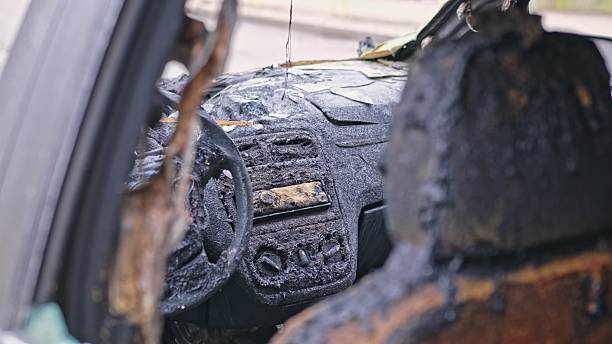
What people really mean when they say catastrophic
A lot of folks throw around the word catastrophic like it’s just another dramatic headline, but in Arizona it usually means life-altering stuff. I’m talking spinal injuries, brain trauma, months (or years) of rehab. When someone mentions a Catastrophic Crash in Arizona, it’s not just a bad day on the road — it’s the kind of accident that flips a family’s routine upside down overnight. I once heard someone on Reddit say, You don’t recover from these, you just learn how to live differently, and honestly that stuck with me.
Why Arizona roads feel riskier than they look
Arizona roads look wide, clean, almost too calm sometimes. That’s the trap. Long straight highways make drivers zone out, speed up, check their phones. Add tourists who don’t know the roads, heat that messes with focus, and big vehicles everywhere, and yeah, things go wrong fast. A lesser-known stat floating around traffic forums is that high-speed crashes in desert states tend to cause more severe injuries simply because help takes longer to arrive. It’s like falling off a ladder in your house versus in the middle of nowhere.
Speed plus size equals serious damage
People underestimate physics all the time. Speed is obvious, but vehicle size is the quiet villain. When a smaller car meets a heavier vehicle at high speed, the laws of motion don’t care who had the right of way. It’s like getting hit by a fridge while riding a bicycle. That’s why so many catastrophic crashes involve massive force even when only one driver made a mistake. Twitter (well, X now) is full of dashcam clips where viewers comment, That came out of nowhere, which is kind of the point — it always does.
Injuries that don’t show up right away
Here’s something most people don’t talk about: some of the worst injuries aren’t obvious at the scene. Brain injuries, internal damage, nerve trauma — they can take days to show symptoms. I had a friend who walked away from a crash feeling fine, only to start having memory issues weeks later. Doctors confirmed it was linked to the accident. That delay is part of what makes a catastrophic crash so dangerous — you think you dodged it, but your body says otherwise later.
The financial mess no one prepares for
Medical bills after a catastrophic crash aren’t like normal hospital visits. They stack up fast — surgeries, mobility aids, lost income. Think of it like a leaky bucket: even if money is coming in, it’s draining faster than you can patch it. I’ve seen people online joke darkly about hospital bills costing more than their house, but it’s not really a joke. Arizona’s healthcare costs combined with long-term care can bury families financially before they even realize what’s happening.
Emotional fallout is just as real
Physical injuries get all the attention, but the mental side hits hard too. Anxiety about driving, guilt, anger — it’s all part of the package. Social media comments under crash news often say things like Thoughts and prayers, but that fades quickly. What doesn’t fade is the daily stress of adapting to a new normal. Some survivors say the silence after the support disappears is worse than the crash itself, which sounds dramatic until you really think about it.
Why awareness actually matters
Talking about catastrophic crashes isn’t about fear-mongering. It’s more like reminding people that driving is a serious responsibility, not background noise in your day. Arizona’s roads aren’t forgiving, even if they look easy. Slowing down, staying alert, and understanding what’s at stake sounds boring — until it’s not. And yeah, I know everyone thinks It won’t happen to me. That’s exactly what almost everyone involved thought too.